Signs your wiring needs checking
Older wiring often gives early hints before it becomes an emergency. These are the signs to watch for and what a check involves.
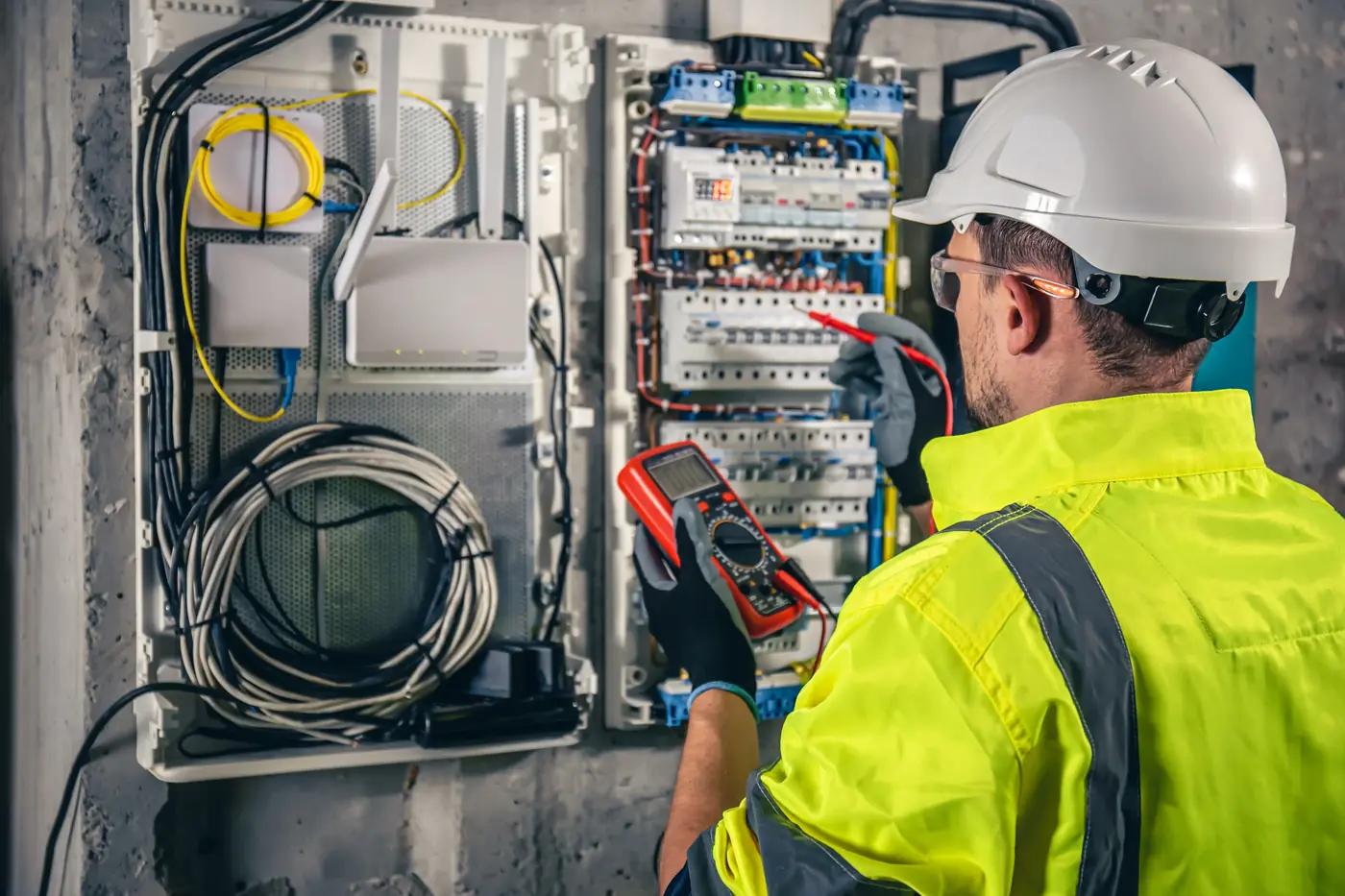
Wiring does not last forever. In many older homes the electrics were installed long before modern kitchens, heating and devices, and they are being asked to do far more than they were designed for.
The good news is that wiring usually gives warning signs. Spotting them early can prevent a bigger fault.
Flickering lights, repeated tripping, warm or marked sockets, buzzing sounds, a burning smell and an old fuse box are all signs that wiring should be checked by a qualified electrician.
Warning signs to watch for
If you notice any of these, do not wait for it to get worse.
Flickering or dimming lights
Can point to loose connections or an overloaded circuit.
Repeated tripping
A breaker that keeps cutting out has a cause that needs finding.
Warm or marked sockets
Heat, scorch marks or discolouration are never normal.
Buzzing or crackling
Noises from sockets, switches or the fuse box.
Burning smell
A sign something is overheating.
Old fuse box
Rewirable fuses, a cracked cover or a very old unit.
Not enough sockets
Heavy use of extension leads can overload circuits.
Shocks from appliances
A tingle or shock needs immediate attention.
Why wiring gets old
Several things wear wiring out over time.
Age of the installation
Very old cable insulation can become brittle and crack.
Changes over the years
Extra sockets and alterations added over time may not suit the original circuits.
Higher demand today
Modern homes use more power than older wiring was planned for.
Damage and wear
Nails, drilling, rodents and building work can damage cables.
What a check involves
A good electrician will explain what they find in plain English.
Visual inspection
Looking at the consumer unit, sockets, switches and visible cable for damage or wear.
Testing the circuits
Using test equipment to check that each circuit is safe and working as it should.
Checking protection
Making sure breakers and RCDs are suitable and working.
Explaining the findings
Telling you what is fine, what needs attention and how urgent it is.
Agreeing the work
Giving you a clear price before any repair work starts.
Do and do not
Do
- Have older wiring checked by a qualified electrician
- Keep a note of any trips, flickers or smells
- Replace damaged sockets and switches promptly
- Ask for an explanation of any findings
Do not
- Ignore flickering lights or warm sockets
- Overload sockets with extension leads
- Try DIY fixes on fixed wiring
- Wait for a fault to become an emergency
Act quickly if
You smell burning, see scorch marks, feel heat from a socket, or the breaker will not stay on. Switch off if it is safe and call an electrician.
Common questions
How often should wiring be checked?
Many electricians recommend a check about every 10 years for a home you own, more often for rented homes, and whenever you move into a property.
Does older wiring always need replacing?
No. Some older wiring is perfectly safe. A test shows its condition and whether anything needs doing.
Can I check the wiring myself?
You can look for the warning signs, but testing fixed wiring needs a qualified electrician with the right equipment.
What if my fuse box is old?
An older fuse box is worth having checked, as it may not offer the protection modern units provide.
Need an electrician now?
We offer day and night call-outs.
Electricians on call now
Electrical emergency in Bristol? Call 01174090025 now.
Check our hourly rates, or call us now.